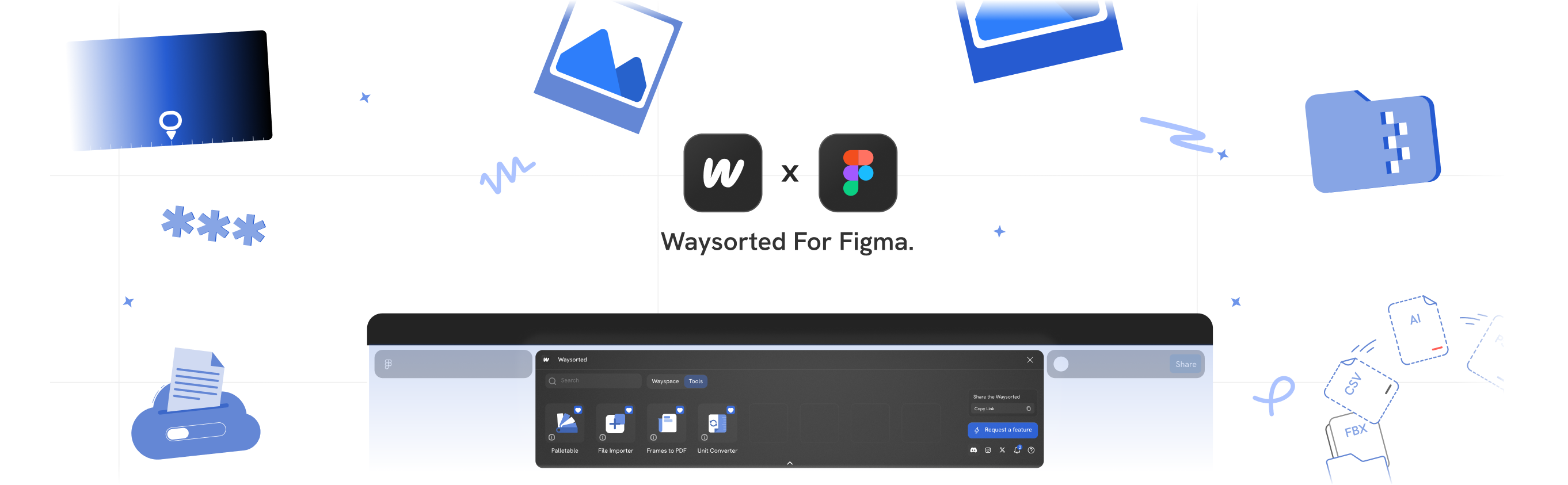
Designers rely on multiple plugins for accessibility, exports, asset management, and production workflows. Waysorted consolidates these tools into a single platform, reducing context switching and subscription fatigue.
As Product Lead and Cofounder, I led research, product strategy, UX and visual design, creating a scalable ecosystem that unifies essential design utilities under one experience.
| Finding | Product Decision |
|---|---|
| Users paid for multiple plugins | Consolidated workflows into one platform |
| Security concerns affected adoption | Prioritized trust and privacy messaging |
| Plugin maintenance was inconsistent | Designed for a managed ecosystem |
| Constant context switching reduced efficiency | Created a unified workflow experience |
Multiple options which drain users
Designers weren't just paying for multiple plugins, they were constantly switching between them. A typical workflow could involve separate tools for accessibility checks, exports, imports, color systems, RGB / CMYK, and icon library.
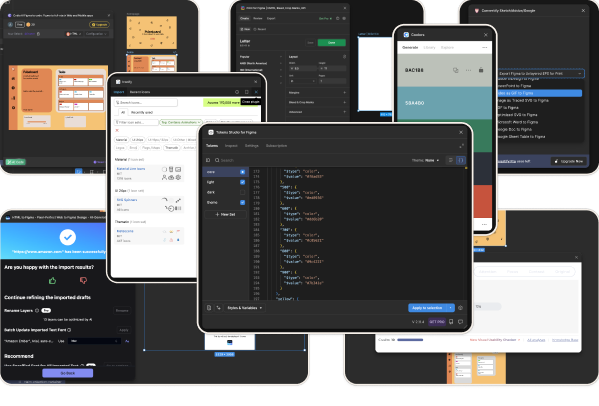
The real cost was not only the subscription fees. It was the interruption. Every context switch broke focus, slowed decision-making, and added friction to otherwise simple tasks.
01Primary Research
To validate the problem beyond my own experience, I conducted surveys across design communities and interviewed designers working in product, brand, motion, and freelance roles. These conversations focused on workflow habits, plugin usage, purchasing behavior, and recurring friction points.
The research revealed that the challenge wasn't a lack of tools, it was the growing complexity of managing them.
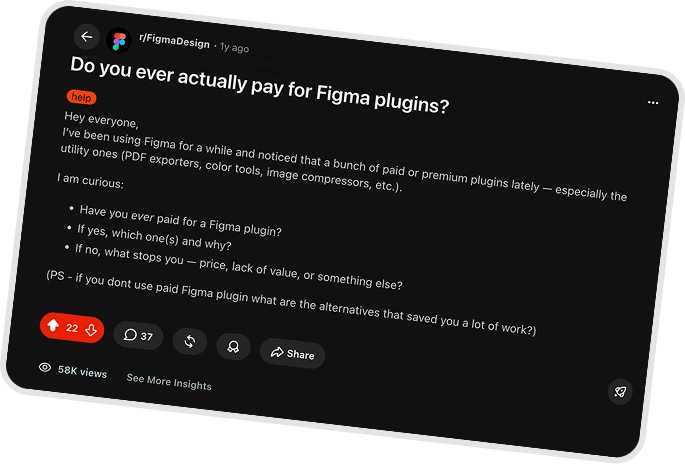
Key Research Findings

Privacy and data security were major concerns when adopting third-party plugins. Trust often determined adoption.

Designers paid for multiple plugins to complete everyday tasks. Costs quickly added up.

Some plugins lacked consistent maintenance and support. Broken workflows reduced trust.

Common tasks required switching between multiple tools. Designers wanted a more unified experience.
02Competitive Analysis
I mapped and evaluated the most commonly used design plugins to understand how designers currently work. The research revealed a crowded ecosystem of specialized tools, each solving a single problem but contributing to a fragmented workflow.
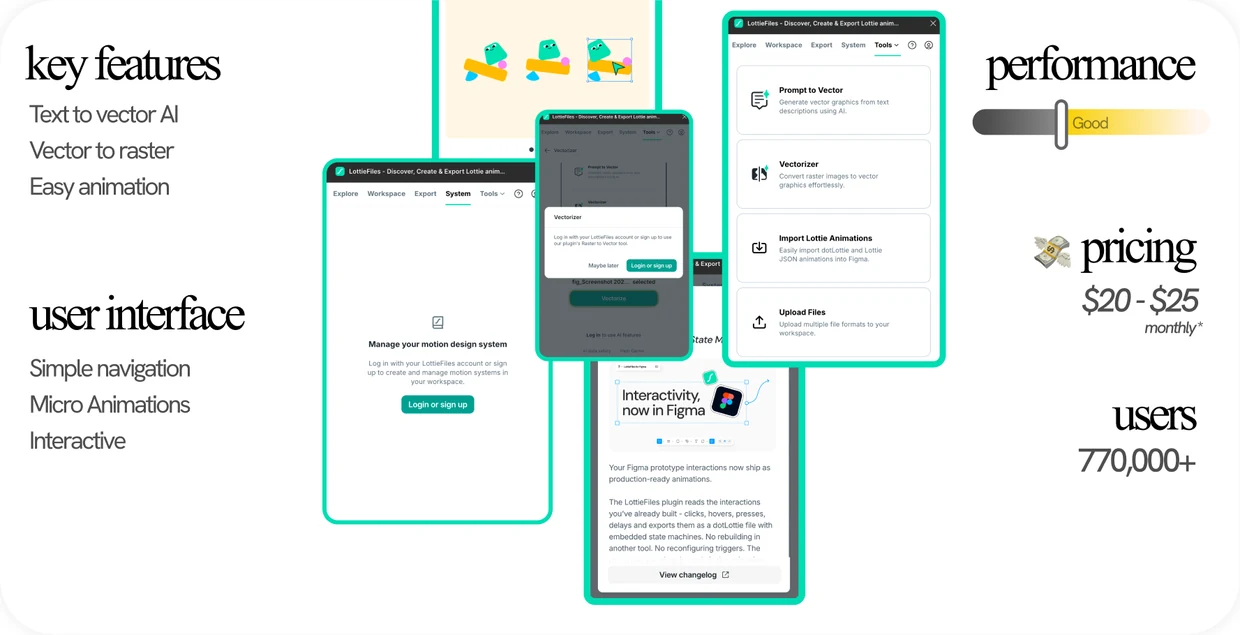
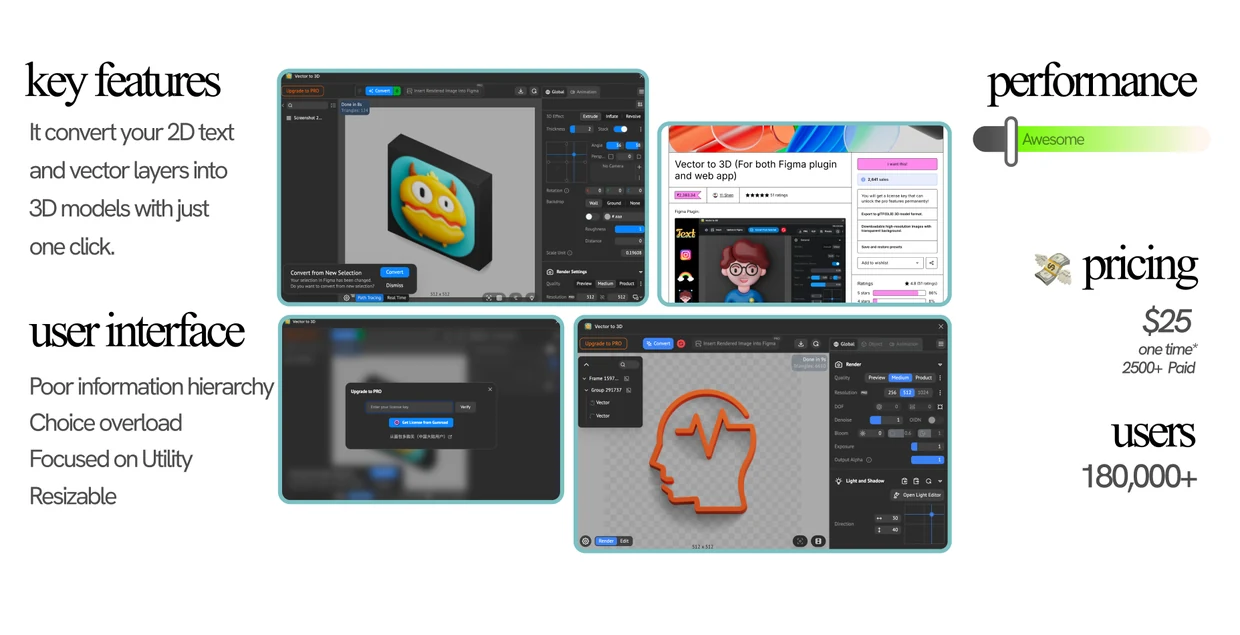
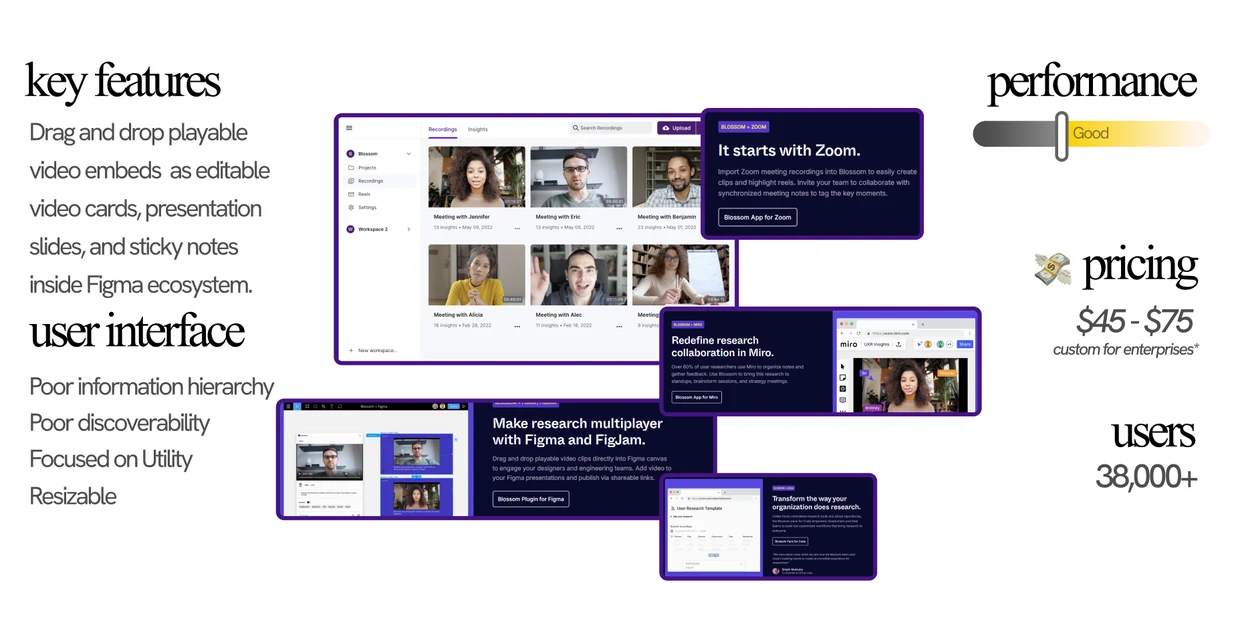
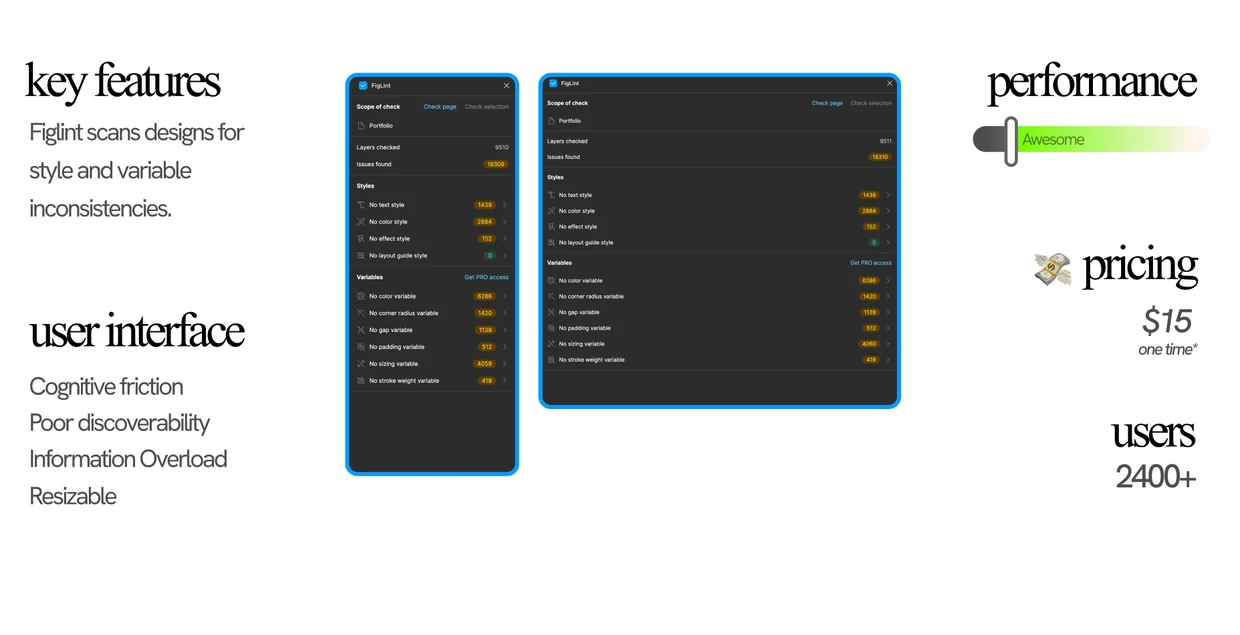
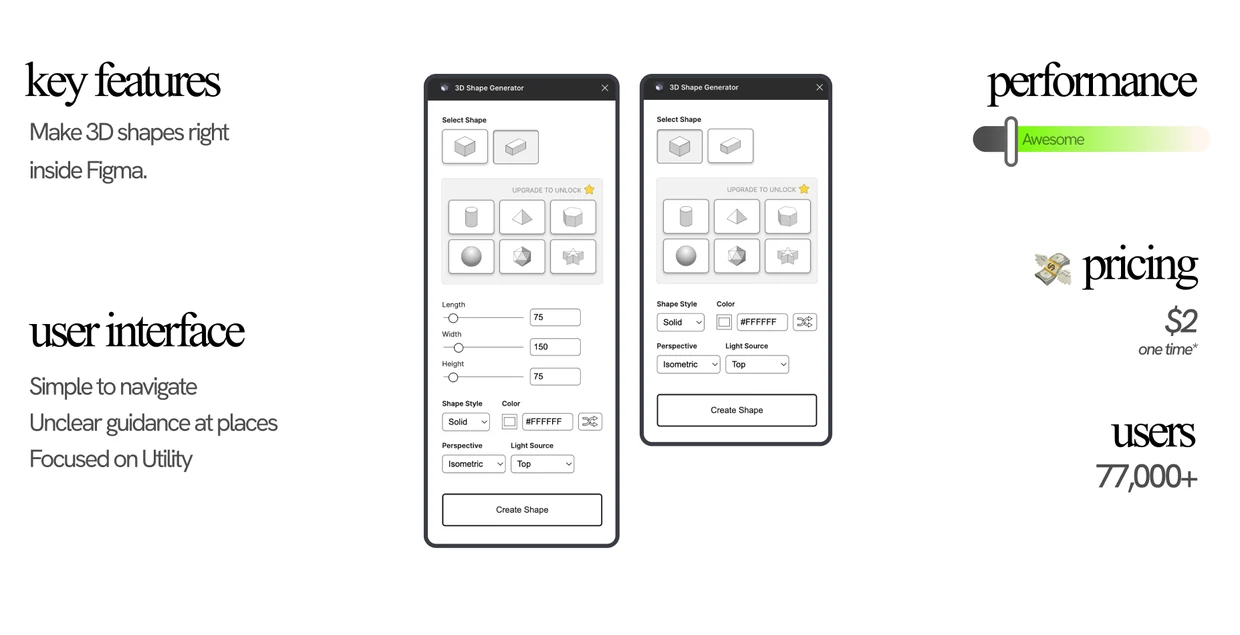
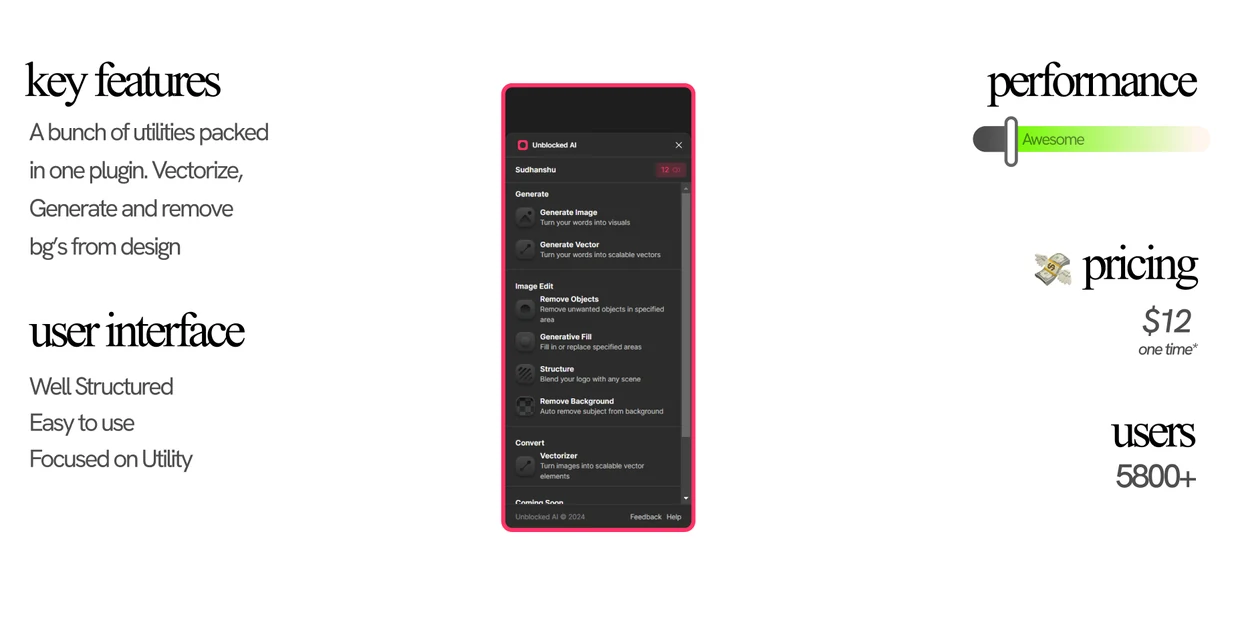
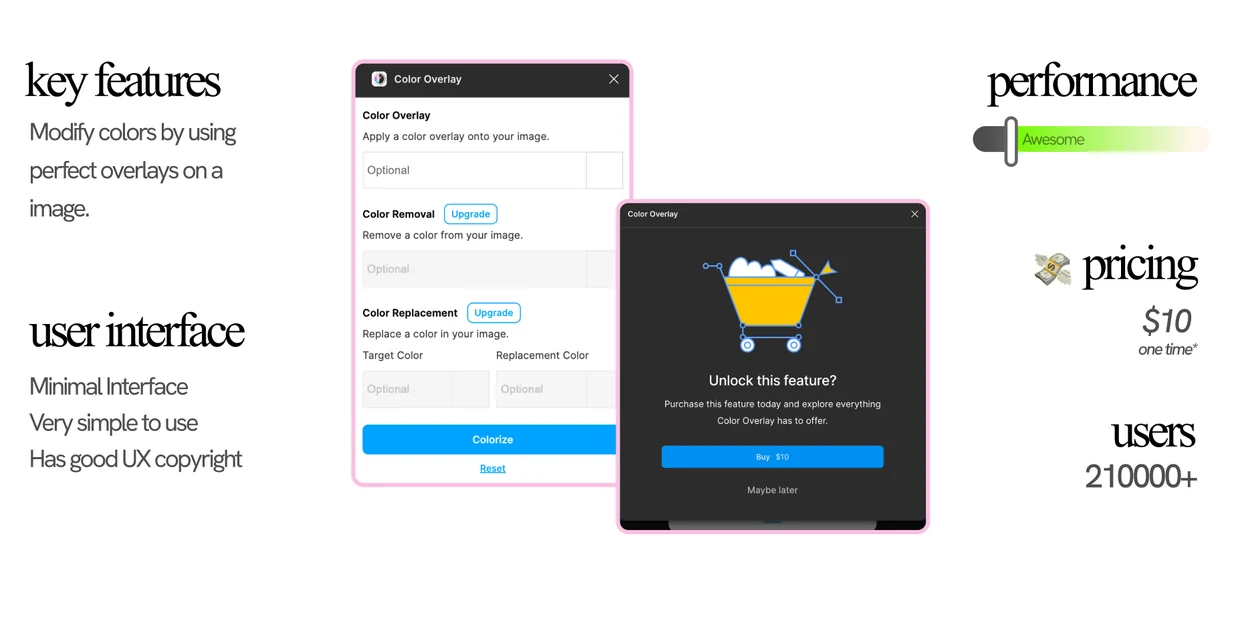
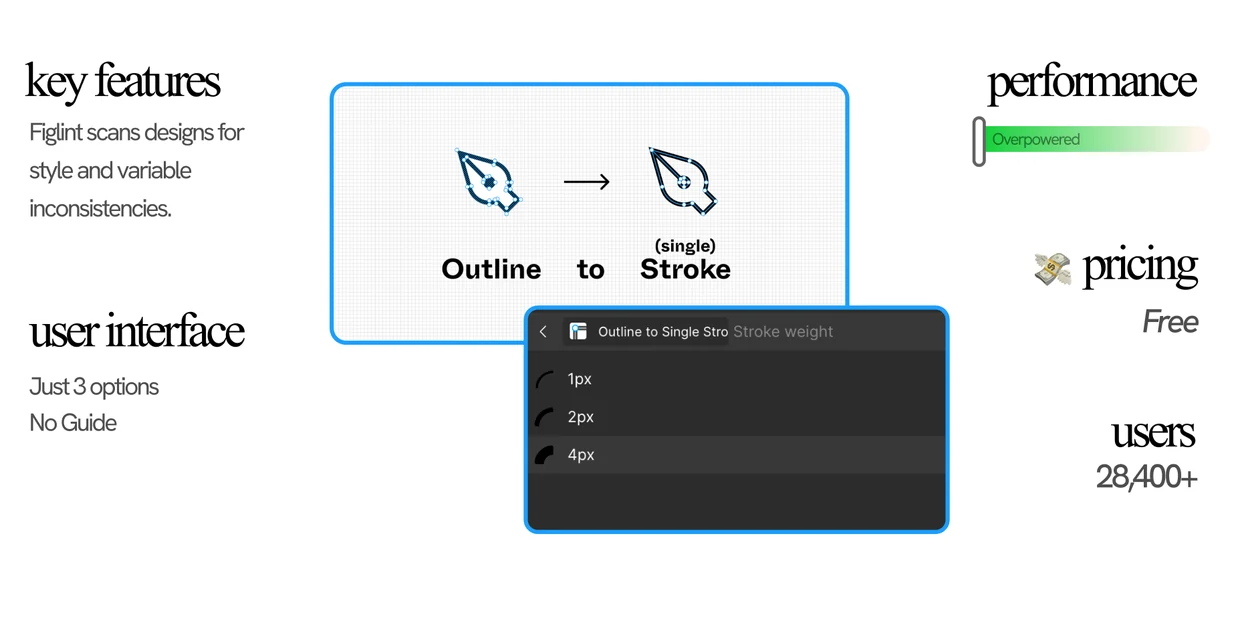
“While existing tools excelled at individual tasks, none addressed the broader workflow. This revealed an opportunity to unify essential design utilities into a single ecosystem.”
03MVP Testing
Before investing further in development, we wanted to validate three assumptions:
Designers would prefer a unified ecosystem over managing multiple standalone plugins.
Designers would pay for a product that consolidated multiple workflow utilities.
A single interface could reduce context switching and workflow friction.
What we tested
- Feature desirability
- Information architecture
- Pricing perception
- Workflow integration
35+ Designers interviewed which included product, brand, motion, freelance, and interface designers.
04Validation Outcomes
We synthesized insights from 35+ interviews and usability sessions to validate demand, pricing expectations, and workflow preferences. The results showed strong interest in a unified design ecosystem that reduced tool fragmentation.
01A Unified Design Workspace
Waysorted unified essential design utilities into a single workspace, reducing context switching and eliminating the need to manage multiple standalone plugins.
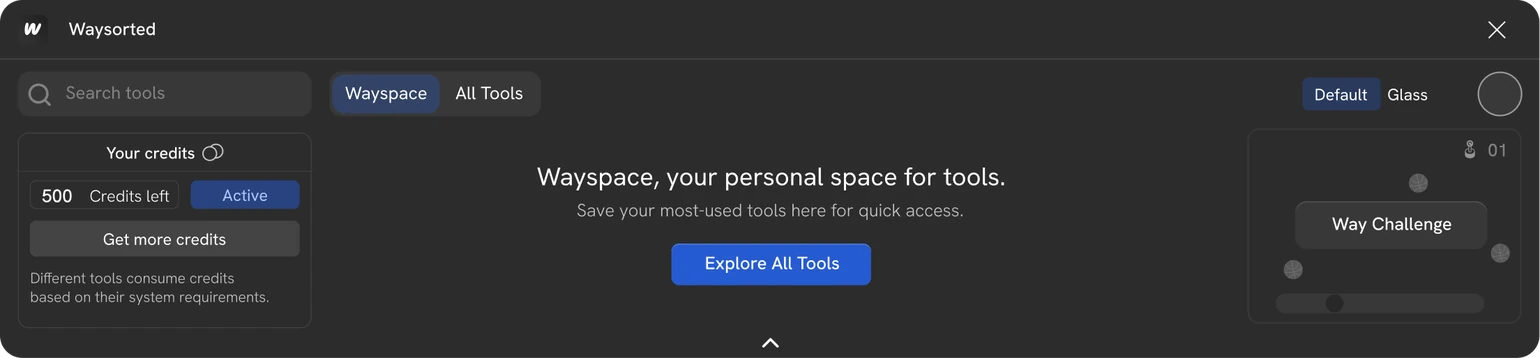
A personalized workspace that brings essential design utilities into one place, reducing context switching and plugin management overhead.
02Product Evolution
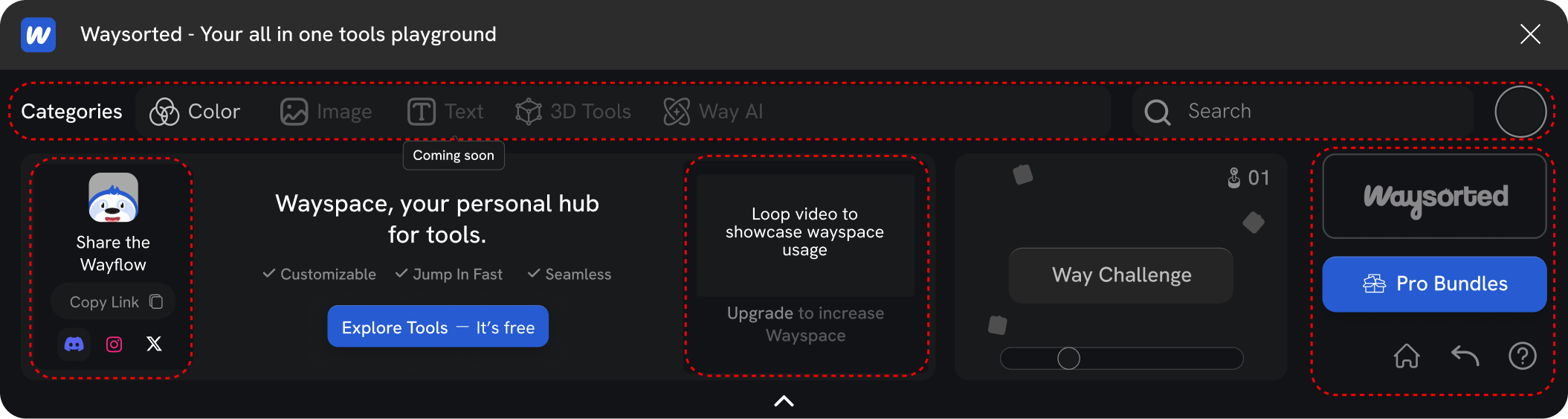
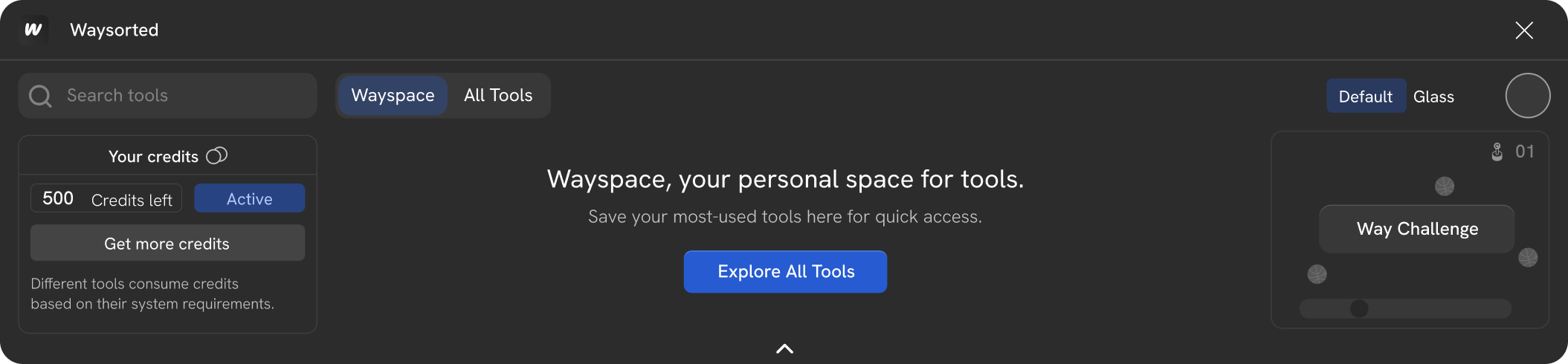
Elements removed
Early concepts prioritized feature density over usability. User testing revealed that navigation felt overwhelming, making it difficult to discover tools and understand the workspace hierarchy.
03Building the Product & The Brand
As Cofounder and Product Lead, my role extended beyond the product itself. I also designed launch campaigns, motion assets, and marketing content used to communicate the vision and acquire early users.
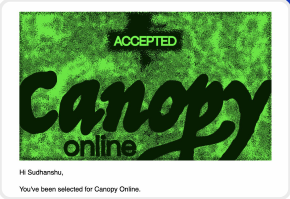
 Backed by
 Selected in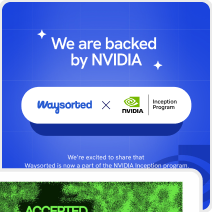
- Research validated the demand for a unified design utility ecosystem.
- Product decisions were driven by continuous user feedback.
- Trust, reliability, and workflow simplicity proved to be major adoption factors.